DER value on grids with no market and no neighbors.
Alaska, Hawaii, and Puerto Rico have no RTO, no ISO, and no FERC jurisdiction over wholesale sales. Alaska's cooperatives serve about 84 percent of customers, the highest cooperative share of any state.
August 2026 · Texture · Practitioner reference for cooperatives and municipal utilities
84%
Alaska customer share served by cooperatives, highest of any state
42.9¢
Hawaii residential rate per kWh in 2024, highest of any state
171,372
Puerto Rico households and businesses with a distributed battery by end of 2025
About this report
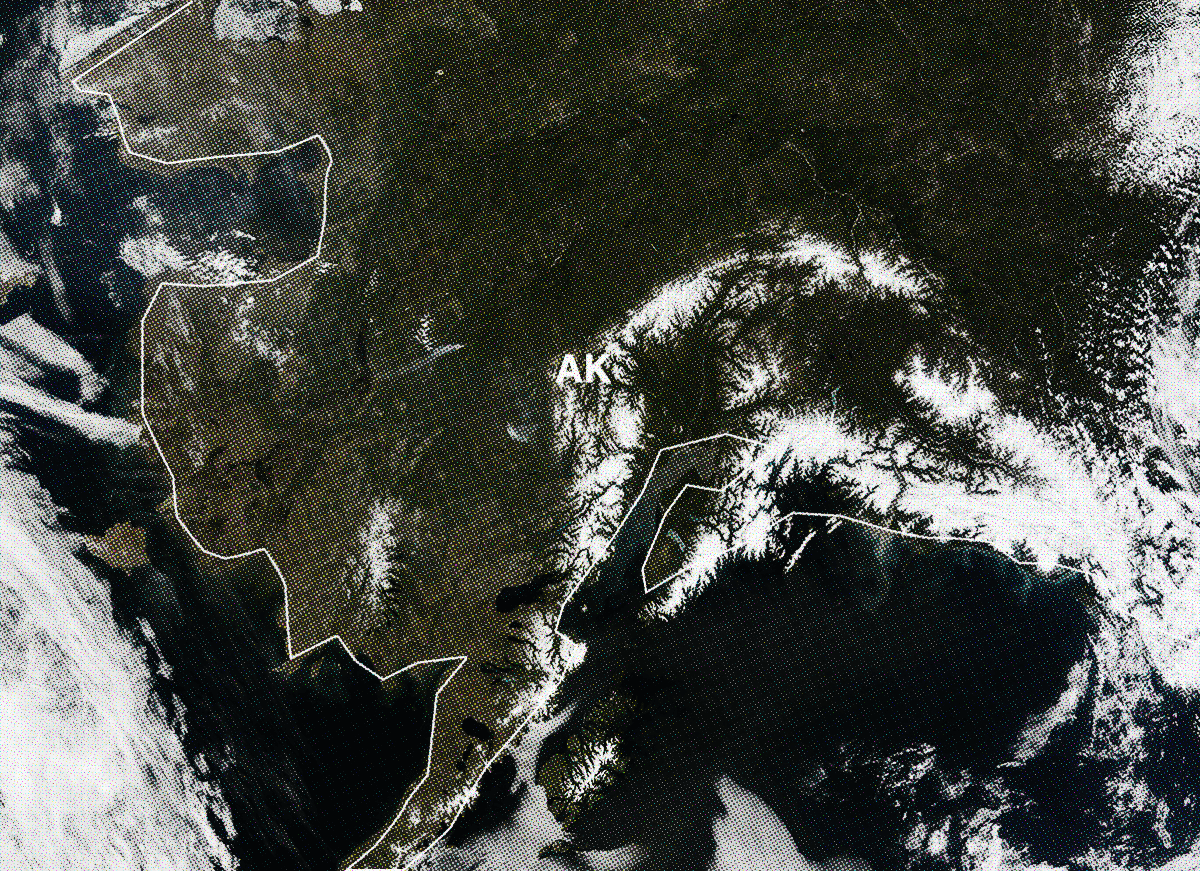
Alaska's Railbelt runs from Fairbanks through Anchorage to the Kenai Peninsula and serves roughly three-quarters of the state's population; the rest is about 190 isolated village grids. Cooperatives serve about 84 percent of Alaska customers. Hawaii is six separate island grids with no cable between them; Oahu carries about two-thirds of the load, and residential rates were 42.9 cents per kWh in 2024. Puerto Rico is one island-wide system serving about 1.5 million customers, with PREPA owning the system and LUMA operating transmission and distribution since June 1, 2021. No cooperative and no municipal utility exists there.
Key findings
Why do Alaska cooperatives have almost no registered DER programs?
Alaska is 84 percent cooperative and has one demand-response program, run by an investor-owned utility: Alaska Electric Light and Power's interruptible service in Juneau, with 2,255 customers enrolled and 18 MW of potential peak demand savings in 2024. The Texture CommonGrid registry, filtered to Alaska, Hawaii, and Puerto Rico, returns no cooperative DER program entries as of August 2026. Zero of 19 Alaska cooperatives and Kauai Island Utility Cooperative reported a program.
How large is Puerto Rico's distributed battery fleet?
LUMA's Customer Battery Energy Sharing program had 171,372 households and businesses with a distributed battery to draw on by the end of 2025, and roughly 80 MW of that fleet was enrolled. Load swings from about 2,000 MW at midday to about 3,000 MW in the evening, a ramp of 125 to 170 MW per hour. Hawaii's three Hawaiian Electric companies together enrolled 30,198 customers in 2024 and reported 57.9 MW of potential peak demand savings; KIUC, the one cooperative, reported none.
Get the DER Value by Region: Islanded Grids Report.
Frequently asked questions
Is there a wholesale market in Alaska, Hawaii, or Puerto Rico?
No. None of the three has an RTO or ISO, and none has FERC jurisdiction over wholesale sales. The Railbelt is coordinated by the Railbelt Reliability Council, certified as Alaska's electric reliability organization on September 23, 2023. Every village grid outside the Railbelt is its own balancing authority. Each Hawaiian island grid is its own balancing authority.
Does Kauai's cooperative run a DER program?
Kauai Island Utility Cooperative, which serves about 7 percent of Hawaii customers, reported no demand-response program in 2024. The three Hawaiian Electric operating companies, serving about 93 percent of customers, all run programs. Hawaii residential rates were 42.9 cents per kWh in 2024, the highest of any state, and the fuel component moves with imported oil.
Why are Alaska residential rates so high, and what is Power Cost Equalization?
Alaska residential rates were 24.3 cents per kWh in 2024, against a national average of 15.8 cents. Power Cost Equalization pays down the first 750 kWh a month in 193 rural communities. Distribution utilities reported 964 MW of summed winter peak in 2024; Chugach alone reported 339 MW of winter peak.