Every DER value stream in California.
CAISO covers about 80 percent of California's electricity and 30 million people. The four rural cooperatives run their own programs outside investor-owned utility tariffs.
August 2026 · Texture · Practitioner reference for cooperatives and municipal utilities
4
Rural cooperatives, each running its own DER programs
13 of 68
California utilities with a DR or load-management program in 2024
568 MW
Actual peak demand savings those programs reported
About this report
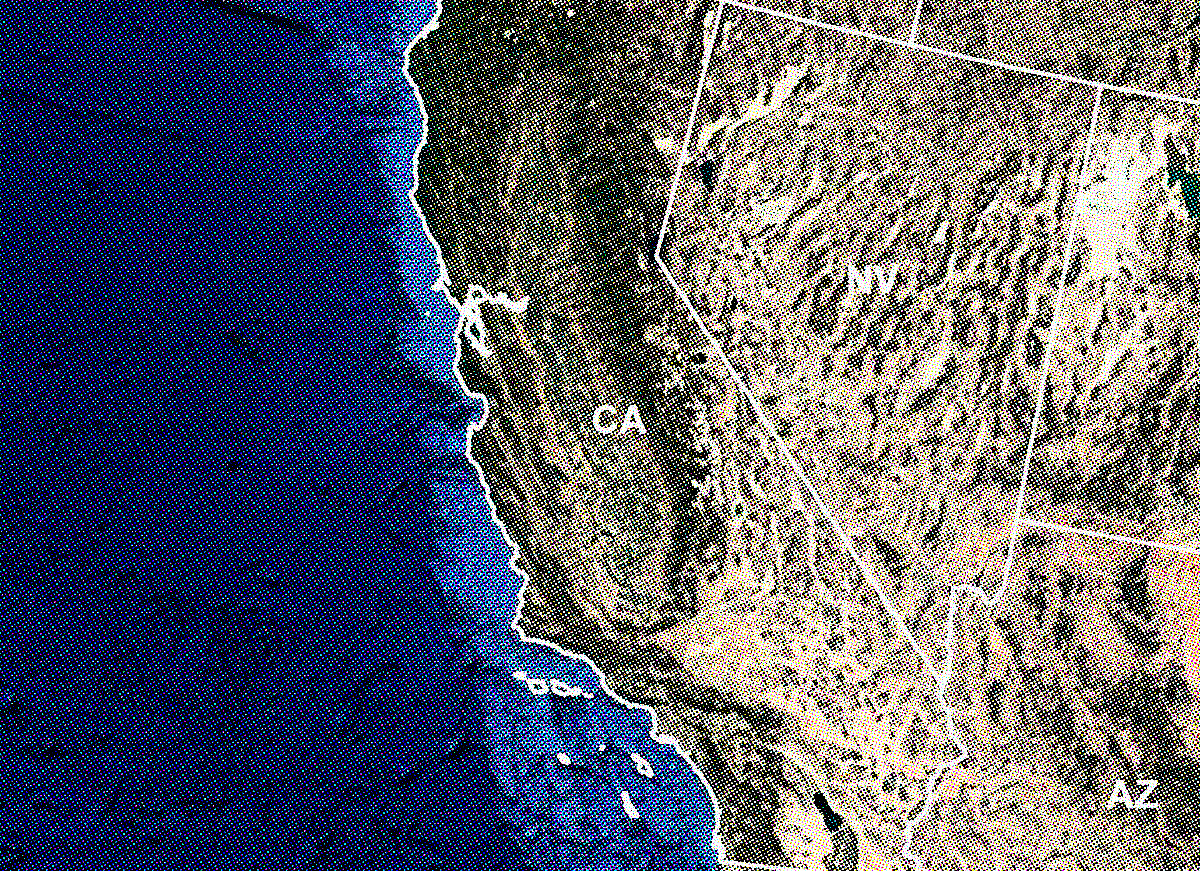
CAISO operates the grid across about 80 percent of California plus a small part of Nevada. The three large investor-owned utilities (PG&E, SCE, and SDG&E) serve roughly three-quarters of customers; publicly owned utilities about one-quarter; cooperatives well under 1 percent. In 2024, 13 of 68 California utilities ran a demand-response or load-management program, enrolling about 625,000 customers and reporting about 568 MW of actual peak demand savings.
Key findings
How do California cooperatives capture DER value outside CPUC programs?
The four rural cooperatives sit outside CPUC jurisdiction and run their own programs, covered in the report's cooperative sections. ELRP and SGIP reach IOU and community-choice customers. Only state-funded DSGS can reach a cooperative or municipal, and that reach is lapsing. Wholesale energy, the four ancillary services, the Flexible Ramping Product, Resource Adequacy under Slice-of-Day, and the Transmission Access Charge are set once by CAISO and work the same for a co-op in the Nevada desert as for PG&E.
Why is there no coincident-peak transmission charge in CAISO?
California recovers transmission cost through a volumetric Transmission Access Charge on every kilowatt-hour, not a charge tied to load at the system peak. The coincident-peak lever a resource captures in PJM, ISO-NE, or ERCOT does not exist for ordinary CAISO load. The one exception is a cooperative buying wholesale power from a generation and transmission cooperative, where a G&T coincident-peak demand charge still applies.
Get the DER Value in CAISO Report.
Frequently asked questions
Does CAISO have a capacity market?
No. California runs Resource Adequacy instead of a centralized capacity auction. Each load-serving entity must show the CPUC it has contracted enough capacity to cover its peak plus a roughly 15 percent reserve margin, priced in bilateral deals rather than an auction. A DER earns capacity value by qualifying as Resource Adequacy.
Who runs DER programs in California?
In 2024 about 13 of 68 California utilities, around 19 percent, ran a demand-response or load-management program. All three large IOUs run one, against about a fifth of municipal and district utilities and a handful of community choice aggregators. The four rural cooperatives run their own programs outside the IOU tariffs.
Why does the CAISO duck curve matter for distributed flexibility?
Midday solar carves a belly into net load; the steep evening ramp as it falls away is the operating problem. That is why CAISO has a Flexible Ramping Product, why the 4 to 9 pm window is the peak that matters, why regulation-down is bought at about twice regulation-up, and why a battery that shifts energy into the evening is worth so much. Default time-of-use rates for residential IOU customers make retail bill optimization the largest stream in the stack.