
How to structure your first thermostat demand response program from scratch
Thermostat demand response programs can be incredibly rewarding for co-ops and their members. At their best, these programs foster goodwill and community in addition to reducing strain on the grid, lowering system peak costs, and giving members a way to earn bill credits or other rewards. But thermostat programs are also complex, and they need to be designed carefully in order to protect both member experience and your bottom line.
Below, we've curated a set of planning advice based on our experience working with co-ops across the country on thermostat programs. Our advice falls into two categories: planning for technical needs and supporting member participation. We hope this will be a helpful addition to your own internal planning processes and resources. Feel free to get in touch with any questions, and consider joining our CORD working group to share your own thermostat program planning thoughts with other co-op leaders.
Planning the technical foundation for thermostat demand response
Building a thermostat program starts with planning the technical aspects. This includes considerations like projected event frequency and hardware functionality. By making plans for these components ahead of time, you'll set yourself up with quantifiable targets and easily explainable goals.
Working with a smaller fleet? How to set up a demand response program with only a few residential batteries.
How to plan your demand response event frequency
How often do you expect to call events that temporarily adjust participating thermostats? Are you anticipating a handful of events per season, one or two events a month, several events during an extreme-weather week, or something in between?
Your answer will depend on your peak-demand drivers, program economics, member tolerance, and the rules you set around event duration, temperature adjustment, notification, and overrides.
1. How regional climate patterns shape your event strategy
Your region's peak-weather patterns are often the starting point for event-frequency planning. Co-ops in hot summer-peaking regions may want to plan for more frequent summer events (especially during extended heat waves), while calling few or no events in winter. Utilities in more temperate climates may only need a few clusters of events a season when heat waves or cold snaps strike.
2. Matching event strategy to your members' heating and cooling systems
The types of heating and cooling loads in your region influence how much flexible electric demand a thermostat program can provide in each season. If many members heat with natural gas, winter thermostat events may deliver limited electric demand reduction, while summer events targeting central AC may be more valuable. If many members use heat pumps or electric resistance heating, winter events may be more relevant, but dispatch policies should account for comfort, auxiliary heat, and post-event rebound. You may want to calculate projected ROI for summer and winter seasons separately, and perhaps develop different dispatch policies for each season.
3. How member receptiveness affects event frequency
Since your program will only be successful if members participate, it's important to factor in member preferences when planning your event frequency strategy. If your members have historically responded well to behavioral demand response programs, a frequent event strategy may work out. Other communities might need less frequent intervention in order to preserve member experience.
Note as well that some thermostat manufacturers also offer branded energy features or utility-partner programs. Proactive communication is key to ensuring participants understand their options.
Thermostat hardware: compatibility, sourcing, and overrides
What kind of hardware will your program accept, and what functionality will that hardware have?
The first area to consider is thermostat sourcing. How many thermostat manufacturers will your program support? Will members be able to bring their own thermostat device (BYOD), or will they need to purchase a thermostat through the program?
In many pilot programs, co-ops start by supporting a small number of major thermostat manufacturers, which can provide coverage for common devices without overextending operations and support. If broader hardware support is important to your program, Texture's thermostat support can help lower the operational burden by providing a single interface to observe and control devices from multiple manufacturers.
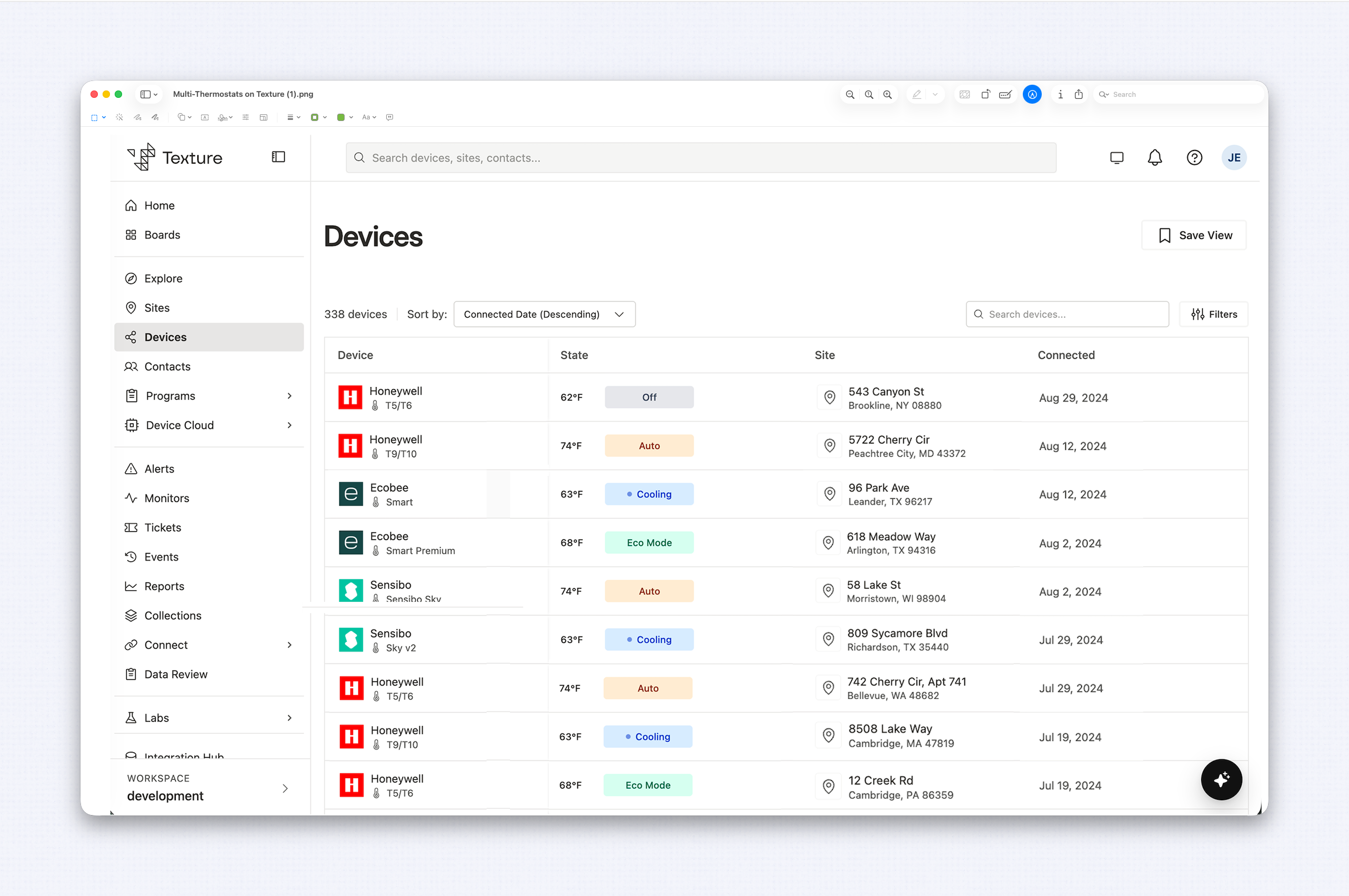
Then, where will members get their thermostats? BYOD setups greatly reduce the barrier to entry for new participants, so it's worth investigating whether you can accommodate pre-existing installations. Many co-ops choose to offer a post-purchase device incentive for BYOD customers. You can also partner with manufacturers, retailers, or ENERGY STAR's Retail Products Platform to provide discounted purchase options.
Another big topic is overrides. Will members be able to opt out of or override automatic temperature adjustments during events? Overrides may help protect member experience, but they can limit short-term load reduction. Some programs use a tiered model, where routine events allow easy opt-outs or overrides, while a limited number of critical events carry different incentive rules, stronger participation expectations, or clearer implications for incentive eligibility.
Third, what functionality will your program support? Will you directly adjust thermostat setpoints, use behavioral notifications that ask members to adjust thermostats themselves, or combine these two methods? If you actively manage devices, will you want to set a pre-cool or pre-heat period?
Programs sometimes even stagger device adjustments to avoid synchronized load spikes, reduce rebound after events, and improve aggregate performance, or use algorithmic load control strategies to provide a more personalized experience.
Designing the member experience for your thermostat program
Member experience is what keeps programs viable in the long term, and a positive member experience starts with clear and purposeful communication. That includes communication around individual events and enrollment, but also around marketing, technical support, and incentives.
Event notifications and enrollment communication
Where practical, notify participants before events and explain what will happen during the adjustment window. Consider using more than one method of communication, like both email and text message. That lowers the chance that a missed email leaves members unaware of an upcoming event.
Regarding enrollment, reach out to participants at least once before each major event season to remind them of their enrollment status. Members may forget they've signed up for the program, and regular reminders help prevent confusion or concern about unexpected thermostat behavior. These communications are also a great time to remind members about any rules around unenrollment, incentive eligibility, or repayment of upfront incentives.
Throughout the year, it may be worth compiling educational materials for members. Topics could include the benefits of the program beyond bill credits, or lookbacks at program performance last season. When members can quantify their contribution and the program's overall impact, they're more likely to remain engaged long-term.
Marketing your thermostat demand response program
Effective marketing connects good-fit members with the details they need to make an informed decision about program participation.
For this, it's critical to identify who is a good-fit member. You wouldn't want to market to households that aren't in your service area, or those that don't have a heating or cooling appliance that would accept a thermostat.
Consider as well how the program will protect medically vulnerable members. Some strategies include having clear opt-out pathways, setting conservative event rules, and coordinating with any existing medical-baseline or special-needs account designations.
To make sure marketing information is truly helpful to members, consider leveraging the technical materials you've created for the program. Is there previous-season data you could give prospective participants? Do you have manufacturer-specific setup guides a prospective participant could preview? What about an incentive calculator? Concrete information gives members a better idea of what participation in the program would entail.
Technical support planning for smart thermostat programs
Of course we'd all prefer to not need a participant support function, but the reality is your participants will eventually encounter hardware and/or software issues.
The key to a useful technical support offering is to have firsthand knowledge of the hardware in question. That's another reason why many co-ops initially limit their thermostat support to 2-3 manufacturers. A more limited range allows technical support personnel to develop more hands-on experience with the hardware members are using for the program. Too many manufacturers means support calls devolve into reading the device manual together, which is rarely a good experience on either side of the phone call.
How to structure demand response incentives
Calculating incentives is a complicated affair. Your program ROI calculations will determine the total amount of incentives you feel comfortable offering each member, but you'll also need to determine how those incentives are disbursed. Common options include:
- Seasonal or annual participation reward, sometimes contingent on availability or event participation
- One-time bill credit upon enrollment
- Recurring monthly bill credit for participation
- Per-event bill credit for participation
Note: Device rebates may be separate from DR participation incentives, especially when the thermostat is also part of an energy-efficiency program.
You may find that more than one of these fits your program, or that the incentives need to be adjusted over time. Whatever your structure now or later, proactive communication with participants helps everyone feel heard and respected.
When communicating about incentives, consider including information about other benefits of the program. Many members value enhancing grid resilience and limiting reliance on fossil fuels, and these ancillary benefits can make your program even more attractive.
Next steps for your thermostat DR program
As you structure your first thermostat demand response program, you'll be faced with many details to approve and a long list of decisions to make. There is no one set of choices that will work for every utility, but paying attention to the two overall themes we've covered here (technical needs and participant communication) will get you a long way.
Note that as your program matures, you may want to conduct periodic reviews, adjusting decisions as needed to support the program's long-term health. You may also find it helpful to hear from those who have been in your shoes before. Texture's CORD group provides an inclusive space for co-op leaders to share their experiences and learn from one another. We'd love to see you there.
