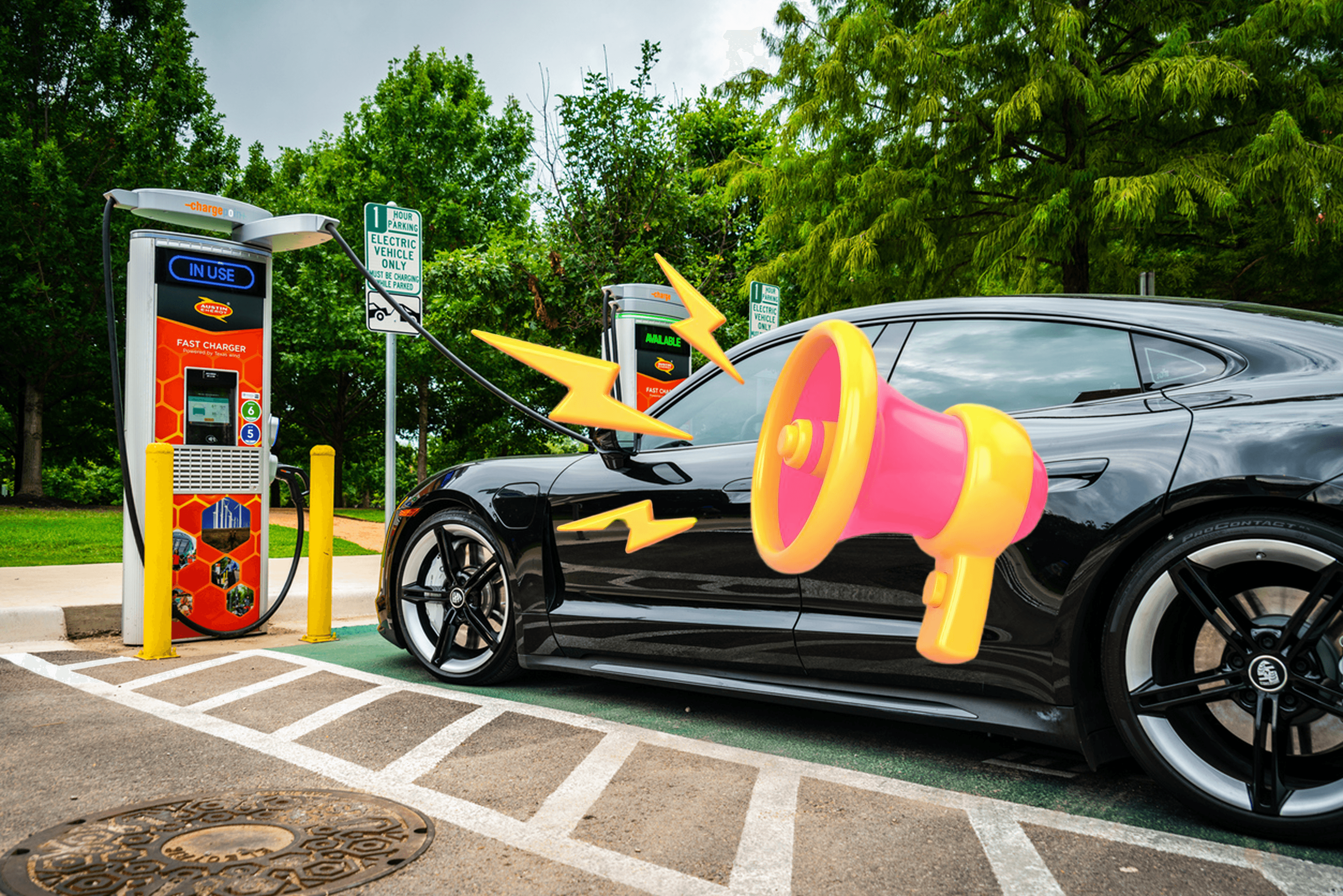
We've been heads-down on electric vehicles and grid-connected hardware, and we're excited to share what's landed. This release moment is all about making EV and energy hardware more reliable, more observable, and easier to build on, especially for teams running demand response programs.
As ever, you can follow along in real time at Release Notes | Texture Docs.
Tesla: More reliable charging plus alert monitoring
Tesla integrations got significant upgrades across the board this quarter.
Grid Services alert monitoring is now live. Texture now automatically ingests, deduplicates, and surfaces alerts from Tesla Grid Services devices in real time. That means if something goes wrong with a grid-connected Tesla asset, you'll know about it through the same event system you're already using, without requiring custom polling.
Tesla vehicles now expose virtual key pairing status. Vehicles now include their virtual key pairing state in the static API response, so your application can detect upfront whether additional pairing steps are needed before sending commands.
Vehicles now wake automatically before charging. Previously, if a Tesla was offline when a start-charging command arrived, the command would fail and you'd need to handle the wake manually. Now the adapter handles it for you, waking the vehicle, then issuing the charge command. A Redis-backed throttle keeps duplicate wake attempts from piling up, and gives clear retry guidance if something doesn't go as planned.
ChargePoint EV charging
ChargePoint Integration: ChargePoint is now a recognized manufacturer in Texture Connect. ChargePoint alerts now flow into Texture’s event system automatically. Station issues surface in real time, and alert notifications are triggered for ChargePoint customers the same way they work for any other supported device.
AlsoEnergy: Better alerting & performance degradation detection
Texture now recognizes and surfaces performance degradation alerts (code 288) from AlsoEnergy systems, so if output drops below expected levels, it's caught and reported automatically. Alert classification has also improved, with hardware faults and alert severities are now classified more accurately, which means better alert routing and fewer misfires at the escalation layer.
–
We want grid-edge hardware to be as observable and controllable as possible, regardless of manufacturer. That's the direction we're moving, and there's more on the way.
Questions? Reach out to your Texture Implementation Team or contact us here.
