How DERs earn their keep with no wholesale market.
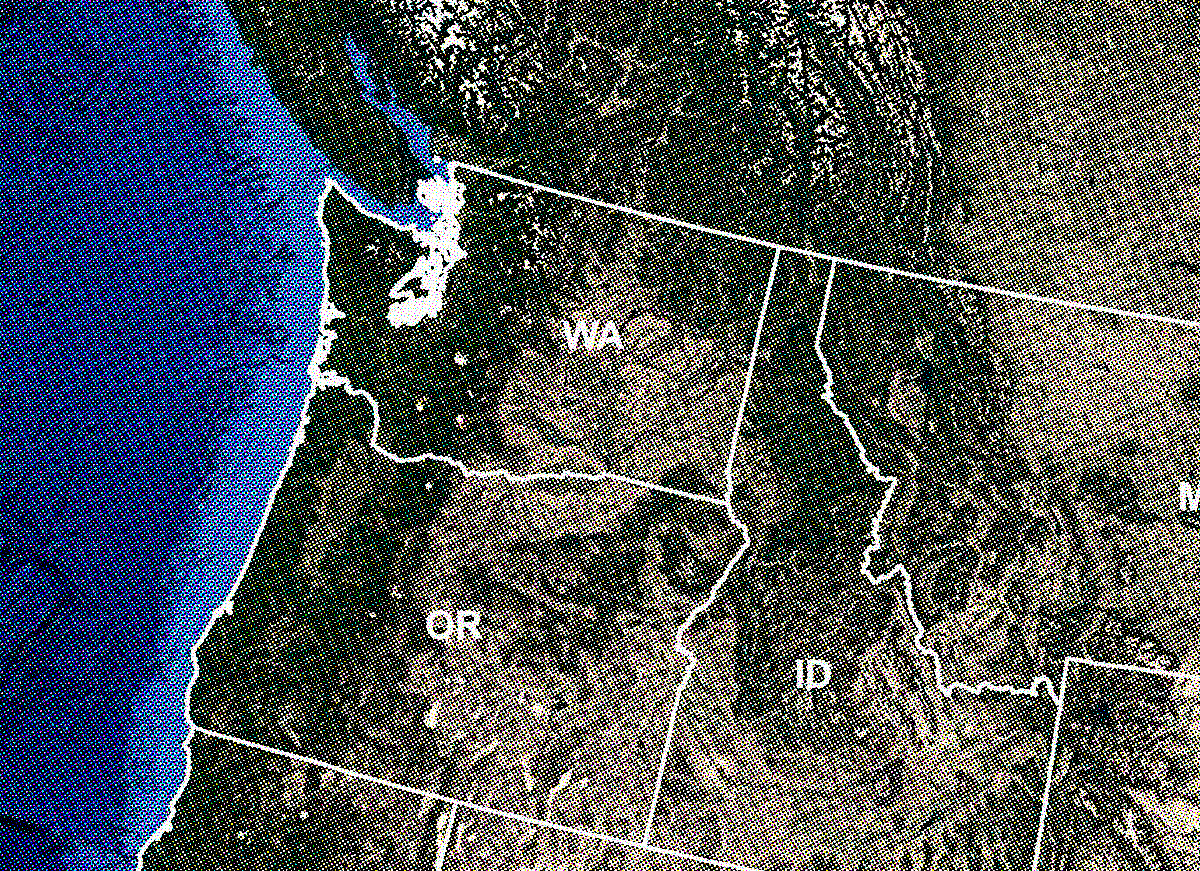
The Northwest has no RTO or ISO. Formal demand-response programs are common among investor-owned utilities and rare among cooperatives: 2 of 28 run one, against 4 of 6 IOUs.
August 2026 · Texture · Practitioner reference for cooperatives and municipal utilities
2 of 28
Northwest cooperatives with a registered DER program
43 GW
Hydroelectric capacity the region's DERs compete against
6.8%
Cooperative share of accounts; public power holds 27.9 percent
About this report
The Northwest still runs on bilateral contracts and a federal hydro backbone. The Bonneville Power Administration owns about 15,000 miles of high-voltage line. Summer peak is 54.5 GW and winter peak is 63 GW, against about 80 GW of installed capacity including 43 GW of hydroelectric. Investor-owned utilities serve 65.3 percent of residential and commercial accounts, public power 27.9 percent, and cooperatives 6.8 percent. About 140 preference customers buy federal hydropower from BPA.
Key findings
Why are DER programs rare at Northwest cooperatives?
A co-op's peak is BPA's problem, not the co-op's: BPA has to have generation behind a preference customer's load up to the federal allocation, so the co-op sees a monthly demand charge rather than a capacity shortfall it must fill. BPA's conservation budget is limited by statute to conservation measures, and traditional demand response does not qualify. A program team costs about the same at 8,000 members as at 800,000, and public utility districts and municipals are at 53.2 percent AMI, so a large share of publicly owned load has no interval data to settle a program against.
How is the Northwest splitting into two day-ahead markets?
PacifiCorp joined CAISO's Extended Day-Ahead Market at its May 2026 launch and Portland General Electric follows in October 2026, while BPA and several publics, including Tacoma Power, chose SPP Markets+, which starts in 2027. The Western Resource Adequacy Program overlays both. BPA Provider of Choice contracts run from 2028 to 2044, so the wholesale terms for most public and cooperative load reset once in this window.
Get the DER Value in the Northwest Report.
Frequently asked questions
Is there an organized wholesale market in the Northwest?
No RTO or ISO covers the region. Wholesale energy trades through bilateral deals and, since 2014, the real-time Western Energy Imbalance Market. Day-ahead trading is splitting between CAISO's Extended Day-Ahead Market and SPP Markets+. Resource adequacy runs through the Western Resource Adequacy Program.
How many Northwest cooperatives run a DER program?
Two of 28 cooperatives, about 7 percent, appear in CommonGrid with a program. Four of six investor-owned utilities run one. The report's point is that the split is structural (BPA backstop, conservation-only funding, and program-team cost), not a lack of interest.
Where does distributed flexibility earn against 43 GW of hydro?
The region already has 43 GW of hydro that ramps, holds reserves, and follows load. Distributed flexibility earns most where hydro is constrained: winter cold snaps, tight capacity seasons, and local distribution limits, not against everyday ramping.